A tired tarmac driveway can make the front of a home feel older than it really is. It may look dull, patchy, green around the edges, marked by oil, or generally neglected after winter. The first question many homeowners ask is simple: Does it just need cleaning, or does it need restoring?
The answer depends on what has happened to the surface.
Cleaning is about removing dirt, moss, algae, weeds, and surface build-up. Restoration goes further. It looks at whether the driveway needs extra treatment after cleaning, such as stain treatment, surface improvement, edging work, repairs, or a suitable protective finish. In some cases, restoration may not be the right word at all, because the tarmac has worn, cracked, or broken down too far and needs repair or resurfacing rather than cleaning alone.
That is why a good driveway service starts with looking at the condition of the surface before promising a result.
What does tarmac driveway cleaning involve?
Tarmac driveway cleaning is usually the first sensible step when the driveway still has a sound surface but looks dirty, green or weathered.
Over time, driveways collect soil, moss, algae, leaf matter, tyre marks and general outdoor grime. Shaded areas, edges, corners and places under trees often show this first because they stay damp for longer. After winter and early spring, the surface can look darker and less cared for, even if the tarmac itself is still in reasonable condition.
Professional cleaning may involve clearing loose debris, treating or removing organic growth where suitable, and carefully pressure cleaning the surface. The aim is to make the driveway cleaner, brighter and safer to use, without being too aggressive for the surface.
This is important with tarmac. It is not the same as concrete slabs, porcelain, natural stone or block paving. The wrong pressure, angle or approach can disturb a tired surface rather than improve it. A careful clean should take account of the surface type, its age, drainage, access and any weak or damaged areas.
Cleaning may be enough if the driveway is mainly dirty, mossy or dull, but still structurally sound.
What does restoring a tarmac driveway mean?
Restoring a tarmac driveway usually means improving the appearance and usability of the surface after the initial clean. It is a broader service decision, not just a stronger wash.
A restoration approach may include looking at:
- whether moss, weeds or algae need treating before or after cleaning
- whether oil marks or staining can be improved
- whether loose edges, cracks or damaged areas need attention
- whether the surface is faded but still sounds
- whether a suitable surface coating or protective treatment is worth considering
- whether the driveway has reached the point where repair or resurfacing is more honest than cleaning
The key difference is that restoration asks, “What does this driveway need after cleaning?” It is not just about making it wet and powerful enough to look different on the day.
Some tarmac driveways can look much better after a proper clean. Others may need extra work to improve their finish. Some will have honest limits, especially if the surface has started breaking up, cracking, crumbling or losing material.
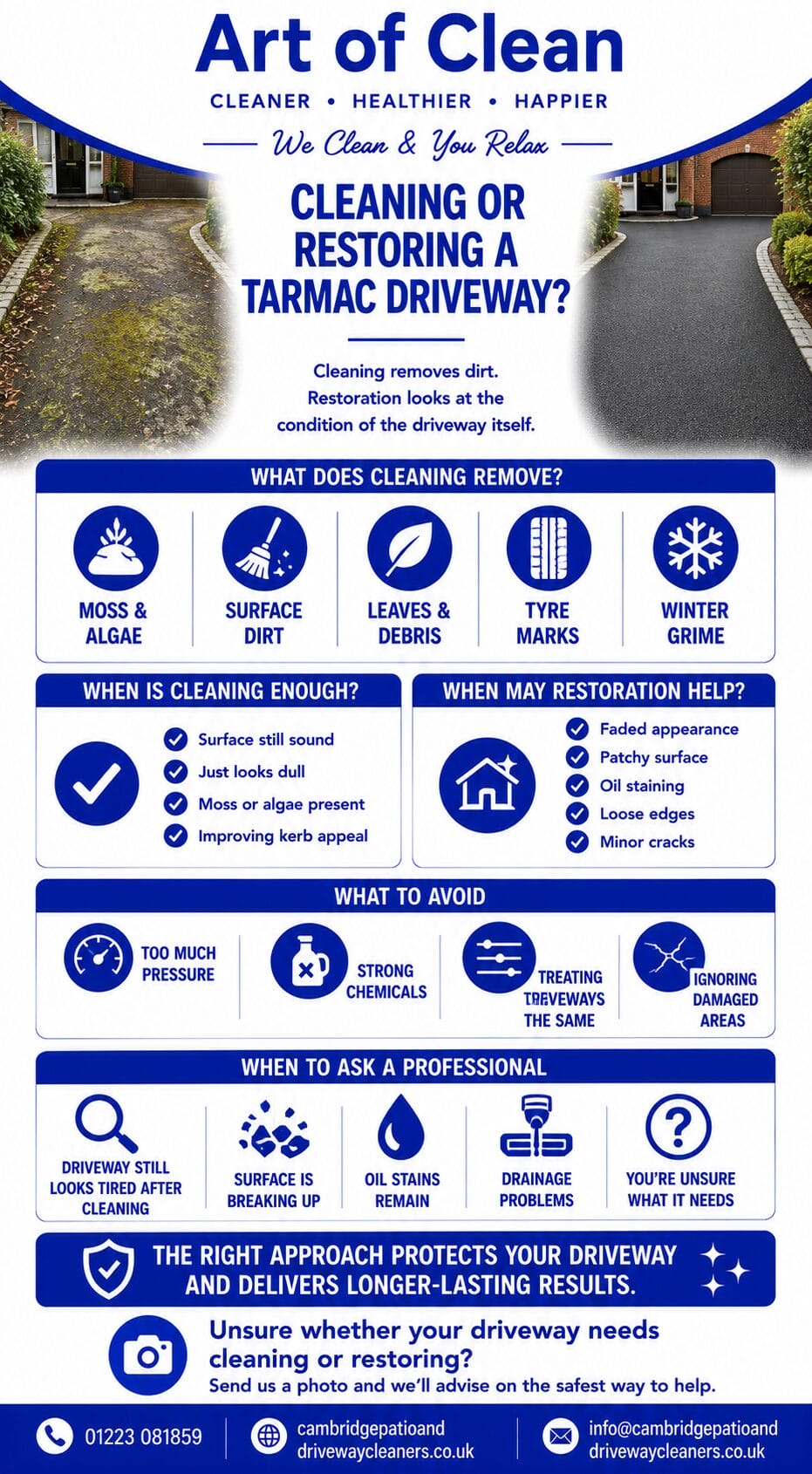
Cleaning removes build-up. Restoration looks at the condition.
A simple way to think about it is this:
Cleaning deals with what is sitting on the driveway.
Restoration deals with what has happened to the driveway itself.
If the issue is moss, algae, mud, tyre residue or winter grime, cleaning may be the right service. If the issue is fading, surface wear, patchiness, damage, staining or general deterioration, cleaning may only be the first stage.
This is where expectations matter. A clean can remove a lot of surface contamination, but it cannot rebuild worn tarmac. It may improve oil marks, but some staining can remain. It can remove current moss and algae, but it cannot change shade, drainage, tree cover or damp conditions that encourage growth to return.
That does not make cleaning a poor choice. It simply means the result should be explained properly before the work starts.
When is cleaning enough?
Cleaning may be enough when the driveway is generally sound but has become dirty or slippery-looking. This is often the case where the surface has built up moss, algae, leaves or general outdoor grime, especially after winter.
It may also be enough if you are preparing the outside of the home for visitors, improving kerb appeal before selling, or making the driveway feel more cared for again before the main outdoor season.
A professional clean can often make a big visual difference on a driveway that has been neglected for a while. It can also reveal what is really going on underneath. Sometimes a driveway looks worse than it is because the surface is hidden under growth and dirt. Once cleaned, it may be clear that the tarmac is still in fair condition.
When might restoration be needed?
Restoration may be worth discussing if the driveway still looks tired after cleaning, or if the surface has more than simple dirt and growth.
Signs that cleaning alone may not be enough include faded colour, ingrained staining, worn patches, loose material, cracks, crumbling edges, uneven areas or old repairs that stand out. These do not all mean the driveway is beyond help, but they do mean the work needs proper assessment.
A careful company should be willing to say when a clean is likely to help and when it may only improve part of the problem. Sometimes the best advice is to clean first, then decide whether any further treatment is worthwhile. Sometimes, the honest advice is that the surface needs repair by a suitable driveway contractor before any finishing treatment is considered.
Can pressure washing damage tarmac?
It can, if it is done carelessly or on a surface that is already weak.
Pressure washing is not automatically wrong for tarmac, but it needs the right judgement. Too much pressure, the wrong nozzle, holding the lance too close, or working repeatedly over a fragile area can disturb loose material. Older or weakened surfaces need more caution than a newer, stable driveway.
This is one reason we do not recommend treating all driveway surfaces the same. Block paving, concrete, resin, natural stone and tarmac each behave differently. Even two tarmac driveways can need different care depending on age, shade, drainage, wear and previous treatment.
If there are cracks, loose edges, soft areas or drainage concerns, mention them before work starts. It helps the team choose a safer approach and explain what is realistic.
What about oil stains, moss and weeds?
Oil stains on tarmac can be difficult. Some can be improved, especially if treated early, but older oil marks may soak in or leave a shadow. It is better to ask for advice before applying unknown products, because some chemicals may affect the surface or create patchy results.
Moss, algae and weeds are also common. Cleaning can remove a lot of current growth, but regrowth is always possible if the conditions stay the same. Shaded areas, overhanging trees, poor drainage and damp corners tend to encourage it back.
After cleaning, simple maintenance helps. Sweep leaves away, keep edges tidy, clear drains where safe to do so, and deal with areas where water sits. This will not make the driveway maintenance-free, but it can help slow the return of organic growth.
How to prepare before a tarmac driveway clean
A little preparation helps the visit run more smoothly.
Move cars, pots, bins and loose items where practical. Let the team know if access is tight, if there is no outside tap, or if drainage has caused problems before. Mention any loose edges, cracks, previous repairs, oil marks or areas you are worried about.
You do not need to diagnose the driveway yourself. It simply helps to point out anything you already know, so the team can assess the surface and explain the best route before starting.
So, should you clean or restore your tarmac driveway?
If the driveway is dirty, green or dull but the surface is still sound, cleaning is usually the right place to start.
If the driveway is faded, stained, damaged or breaking down, restoration may need to be discussed, but it should be based on inspection rather than assumption. The right answer may be a clean, a clean followed by further treatment, or repair before any cosmetic improvement is worth considering.
The most useful approach is not to promise that every driveway can be made to look new. It is to look at the surface, explain what cleaning can realistically improve, and advise whether restoration work is suitable.
If your tarmac driveway looks tired and you are not sure what it needs, send a photo or ask for a quotation. Cambridge Patio and Driveway Cleaners can look at the surface, talk through what is realistic, and help you decide whether cleaning, restoration or repair advice is the sensible next step.
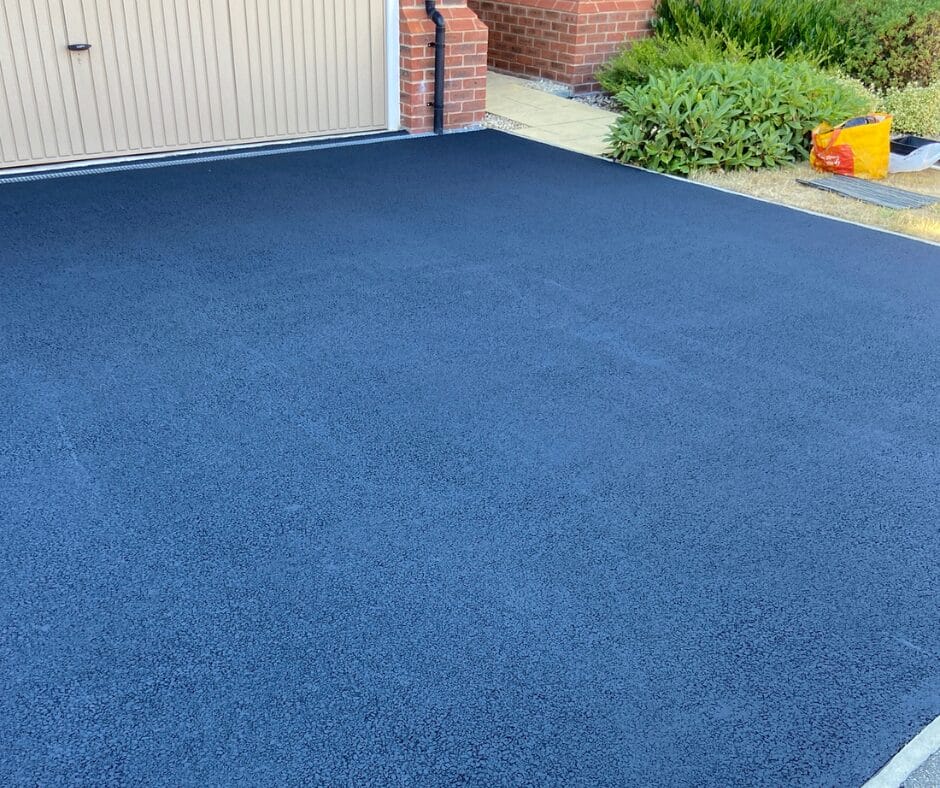
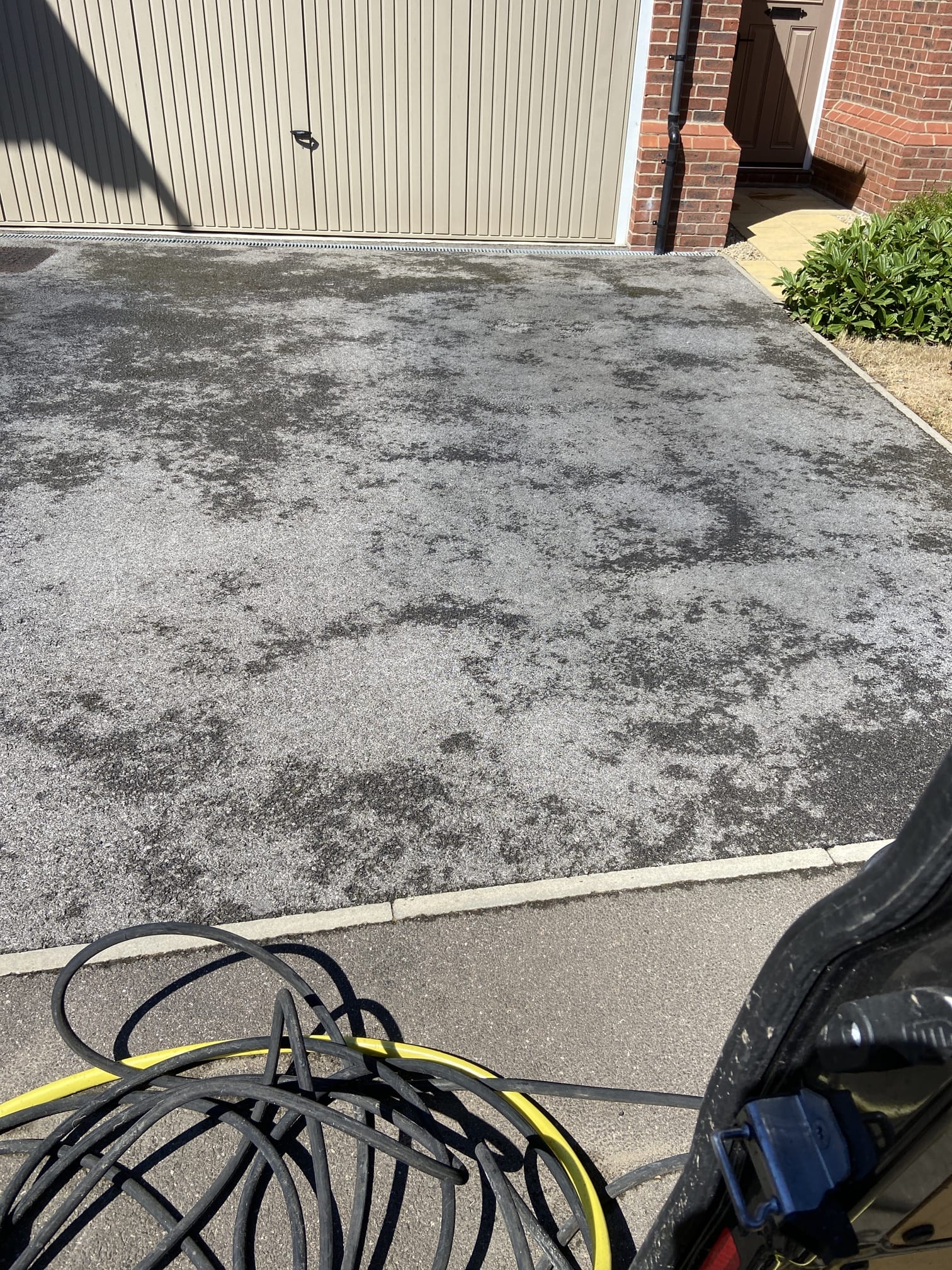
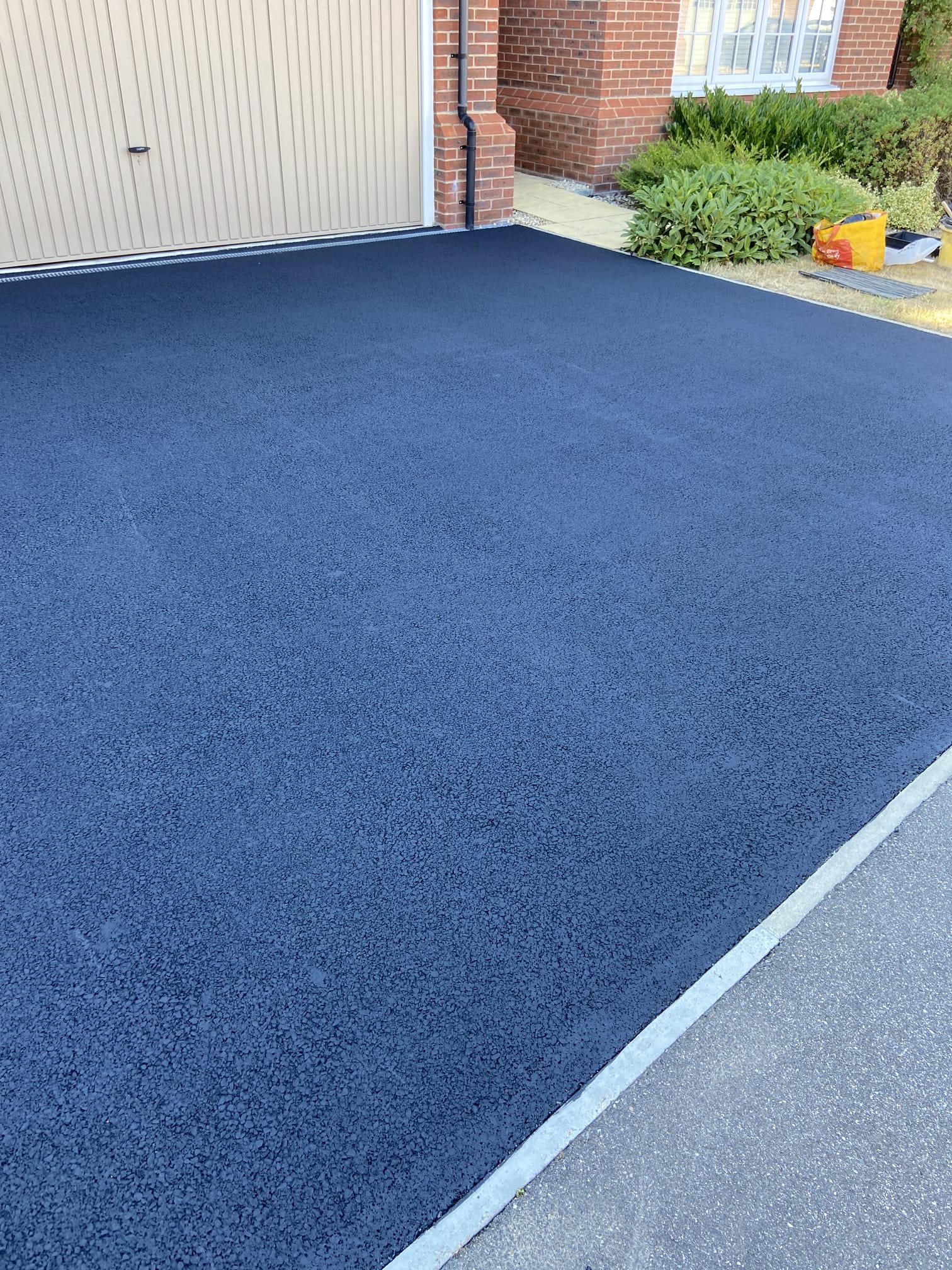
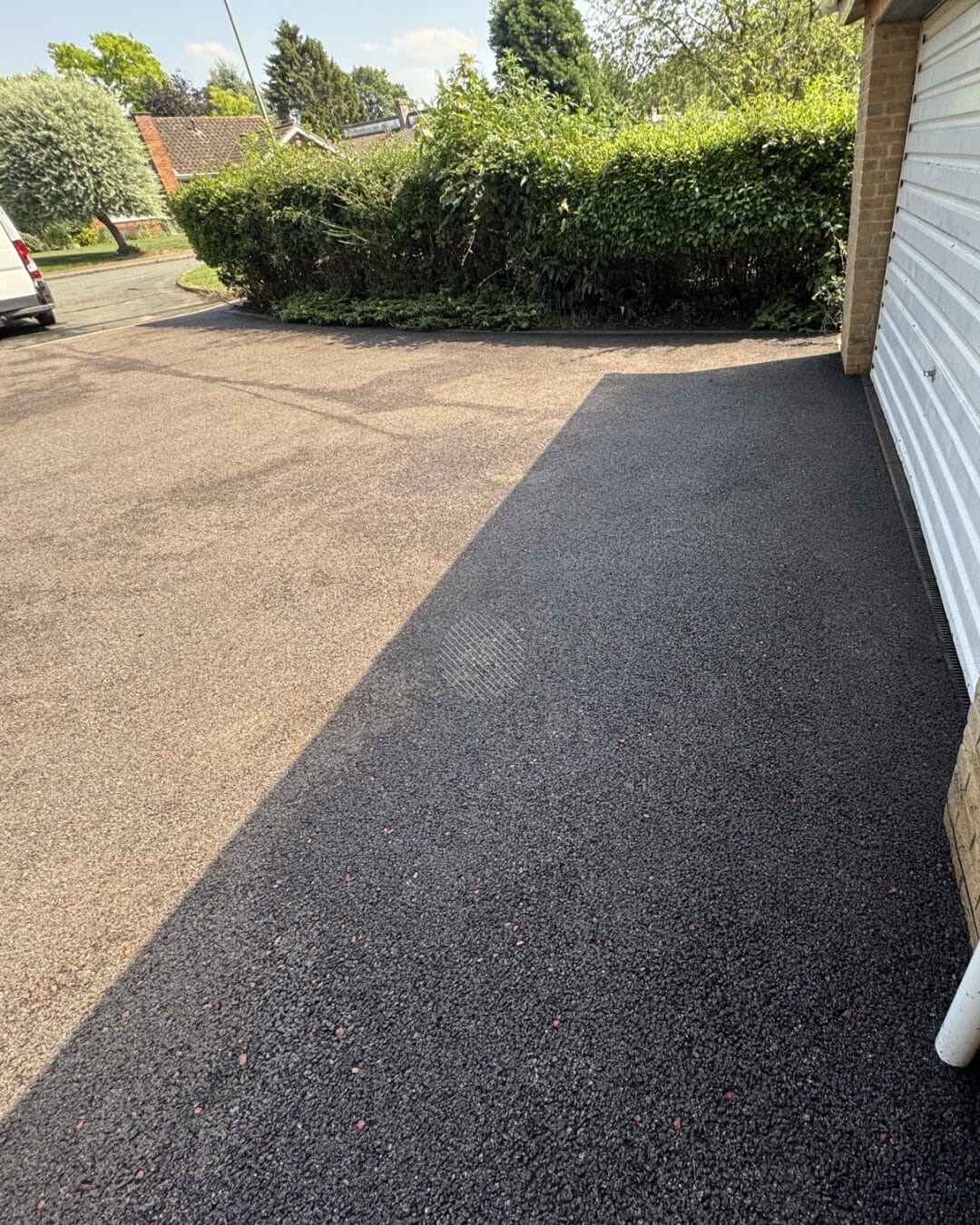
This is a before-and-after of a tarmac driveway we have restored:
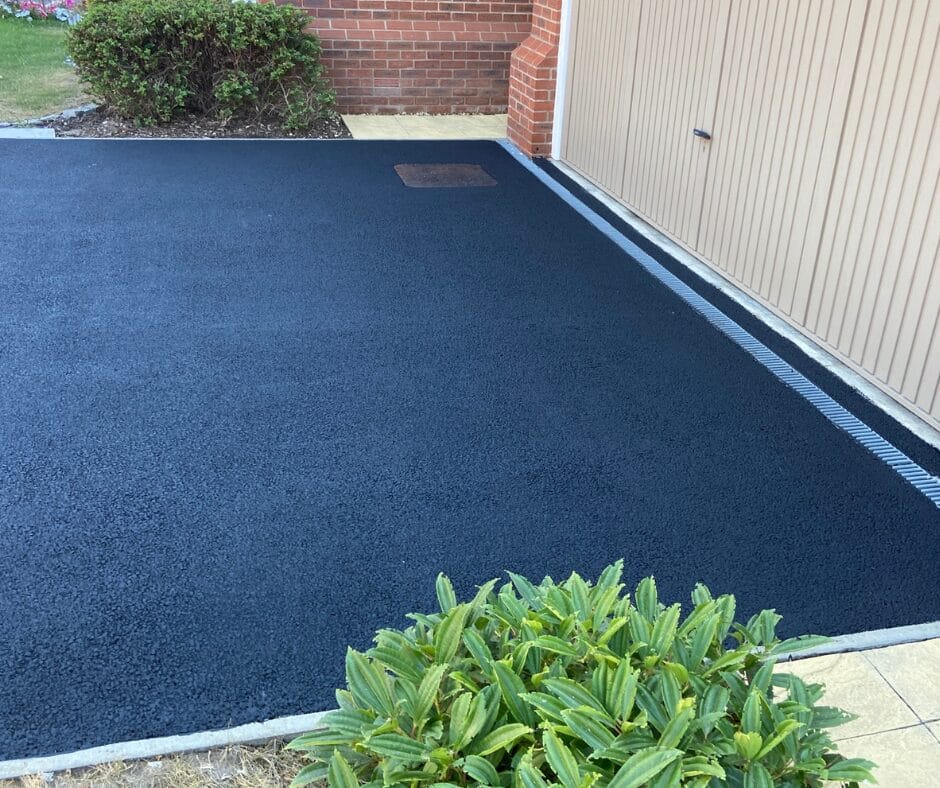
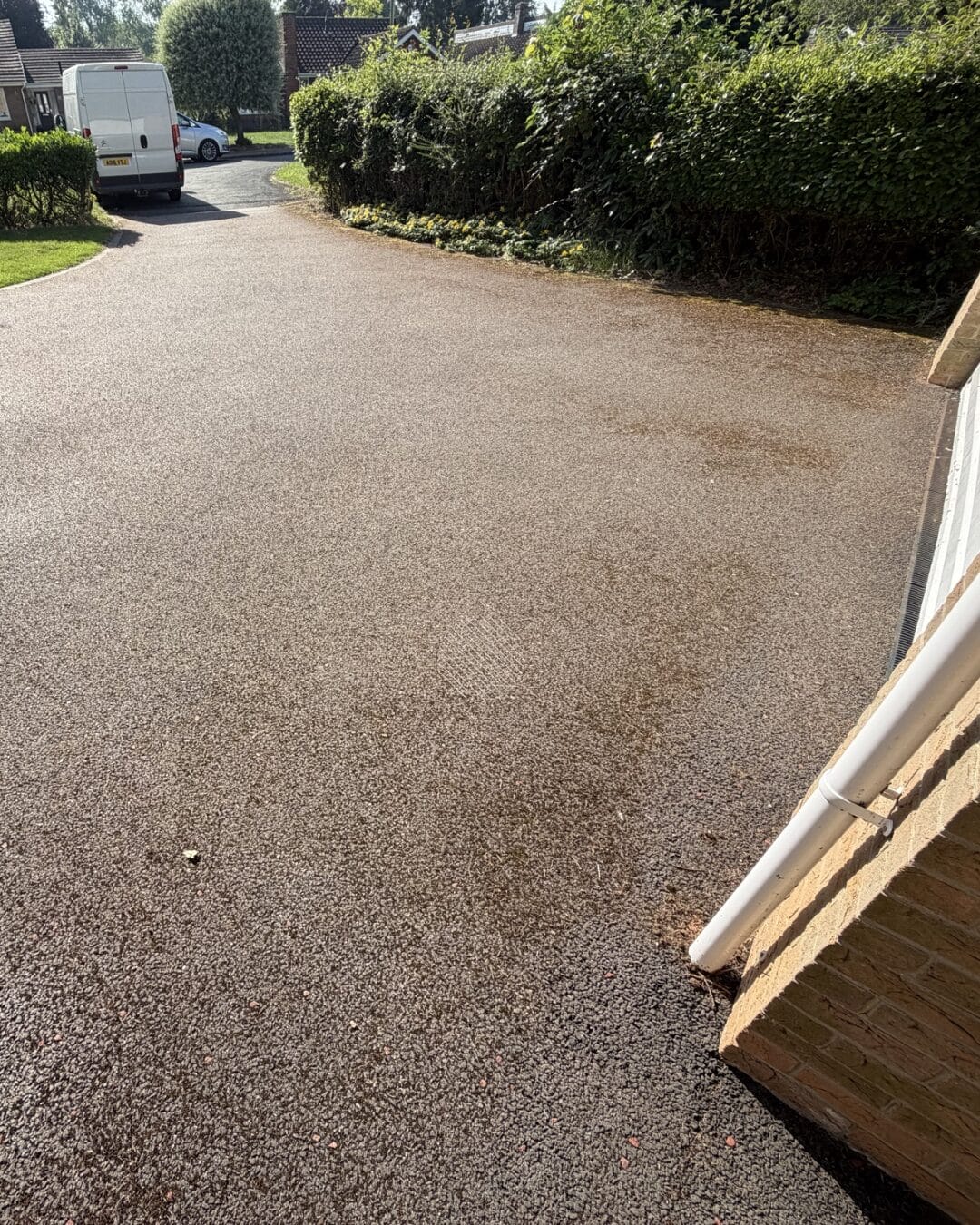
This is a tarmac driveway we have recently cleaned:
FAQs
Is tarmac driveway cleaning the same as restoring?
No. Cleaning removes surface dirt, moss, algae and build-up. Restoration goes further and looks at whether the driveway needs extra treatment, repair, surface improvement or protection after cleaning.
Will cleaning make my tarmac driveway look new again?
Not always. Cleaning can often make a driveway look much better, but it cannot reverse surface wear, cracking, crumbling or long-term damage. The result depends on the condition of the tarmac.
Can oil stains be removed from tarmac?
Some oil marks may improve, especially if treated early, but oil can soak into the surface and leave a shadow. It is best to ask before using strong products, as the wrong treatment may make the area look patchy.
How often should a tarmac driveway be cleaned?
This depends on shade, trees, drainage, use and how quickly moss or algae returns. Many homeowners look at cleaning seasonally or when the surface starts to look dull, green or slippery.
What should I do before a driveway cleaning visit?
Clear movable items where practical, move vehicles, and mention any loose areas, cracks, drainage issues, oil marks or access problems before the visit. This helps the team assess the surface properly.